
The ultimate guide to choosing colors for your website (without making mistakes)

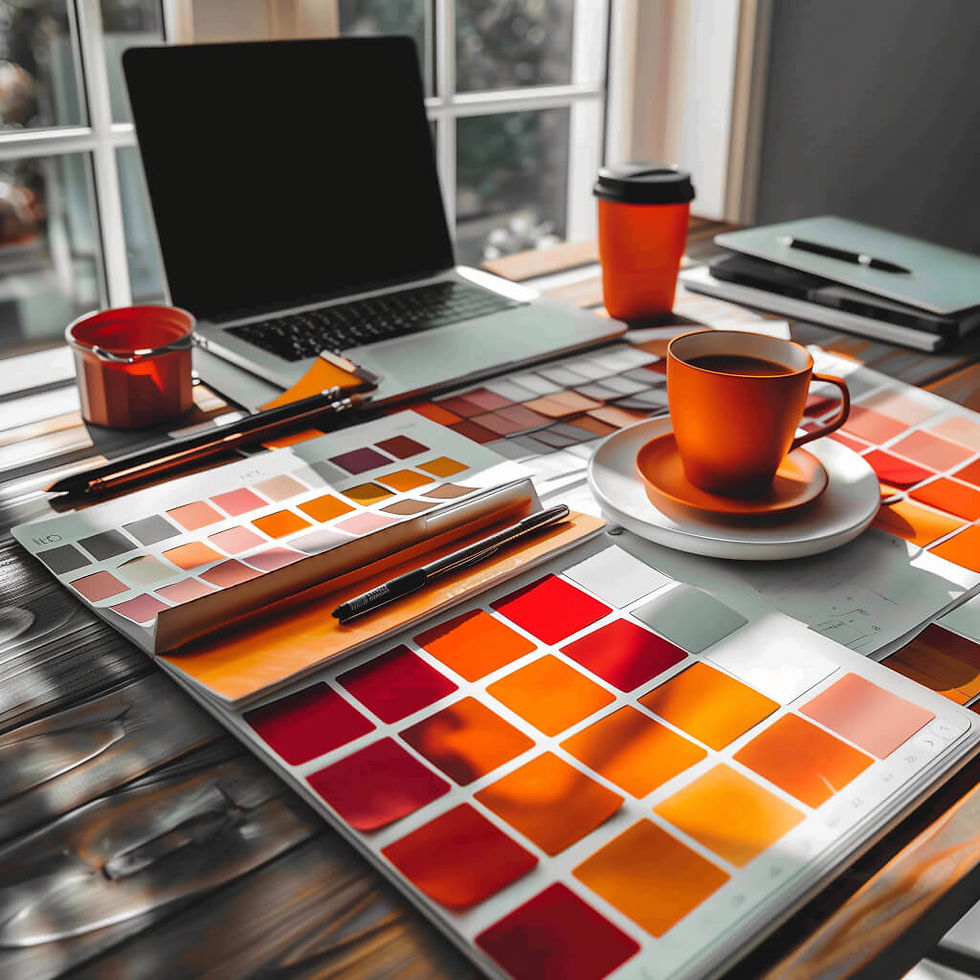
Unveil the Power of Color in Web Design: Influence and Psychology
Color in web design is more than just a visual element; it is a powerful tool that can shape perceptions, evoke emotions, and stimulate user actions. From the intensity of red to the calmness of blue, each shade carries its own psychological implications, making color choice a crucial aspect in website development. In this comprehensive guide, we explore the use of color in interface design and delve into its psychological effects on users.
Understanding the Impact of Color
Our perception of the world is largely influenced by color. From the moment we open a website, our eyes are drawn to vivid images and striking tones. Color has the power to capture our attention, convey meaning, and create a memorable user experience. But its influence goes beyond aesthetics; it can also affect our mood, our behavior, and our decision-making process.
The psychology behind color choices
Let’s take a look at some of the most commonly used colors for websites and their psychological effects:
Red
Red is known for its boldness and vibrancy and is often associated with passion, urgency, and excitement. It is frequently used to grab attention and encourage action, making it an optimal choice for call-to-action buttons and warnings. However, an overuse of red can evoke feelings of aggression and anxiety, which is why it should be applied carefully and strategically.

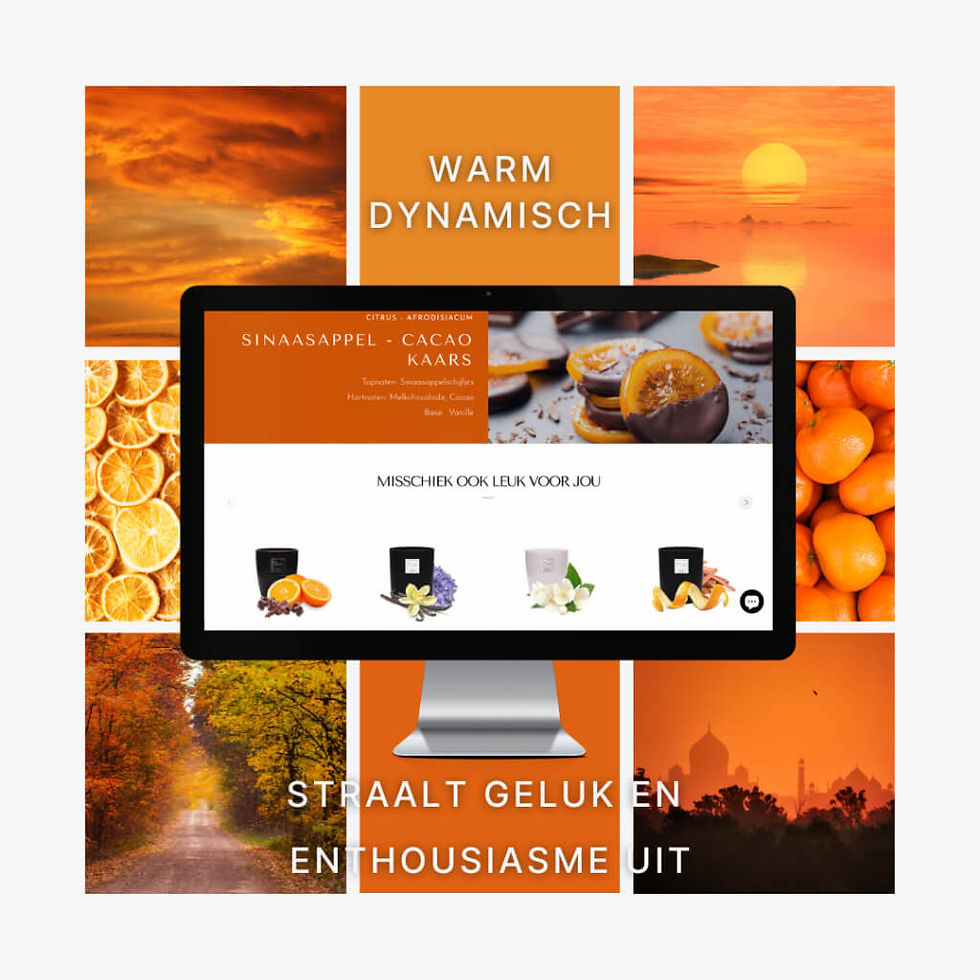
Orange
Orange radiates a warm and dynamic aura, conveying feelings of happiness and enthusiasm. It is often used to evoke a sense of warmth and accessibility, making it a favorite choice for brands that want to create a playful and inviting atmosphere. However, orange can also be associated with impulsiveness and frivolity, which highlights the importance of balancing it with more calming tones.
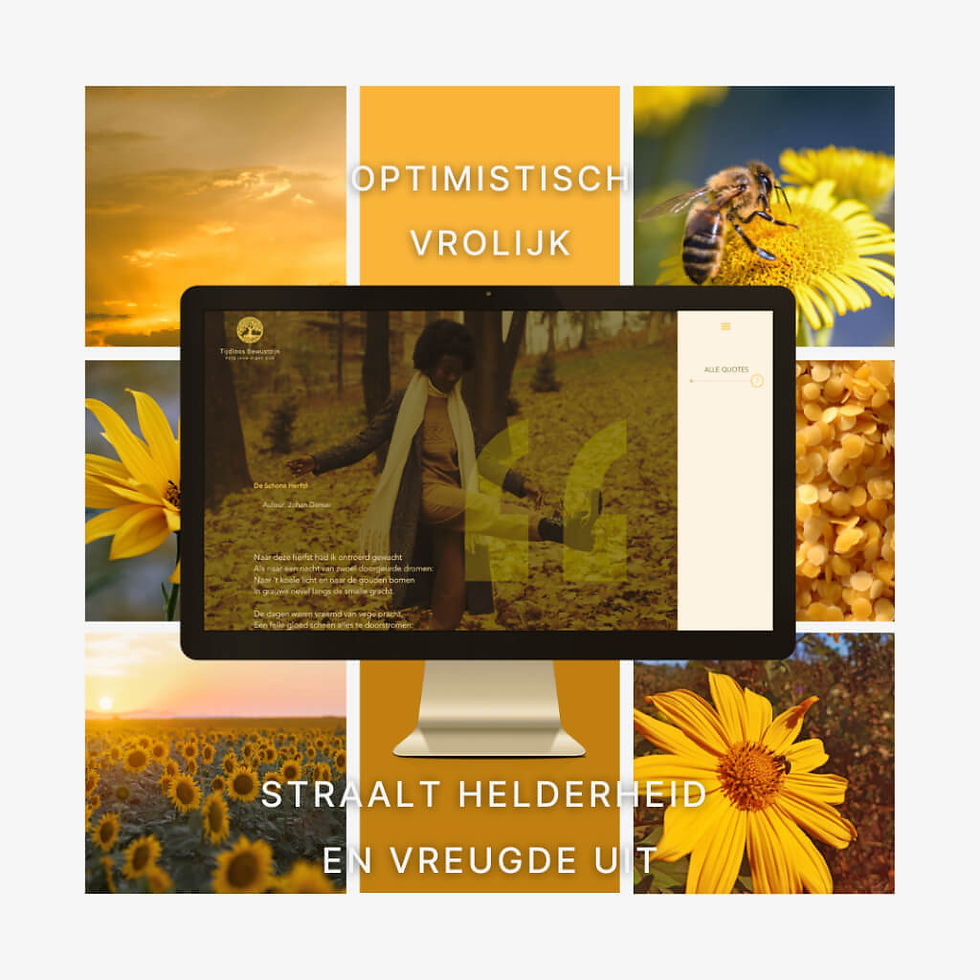
Yellow
Yellow symbolizes optimism and cheerfulness and embodies the essence of sunshine and joy. Yellow is often used to evoke feelings of positivity and clarity and is ideal for highlighting vital information or injecting bursts of color into a design. Too much yellow, however, can overwhelm the senses and cause eye fatigue, which underscores the importance of using it in moderation.
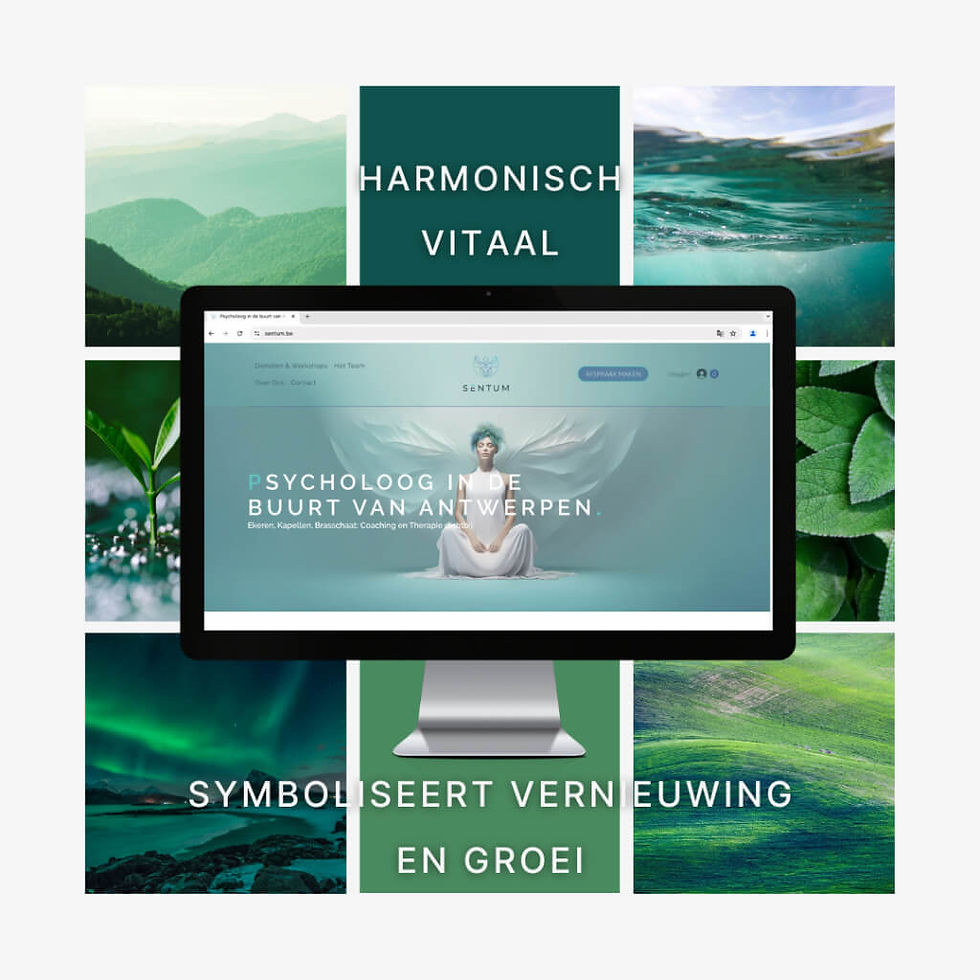
Green
Green reflects the harmony and vitality of nature and symbolizes balance, renewal, and growth. Green is often used to evoke a sense of serenity and equilibrium, and it finds its place on websites dedicated to health, well-being, and sustainability. The association with prosperity and success also makes it a popular choice for financial institutions and companies that want to project stability and reliability.
Blue
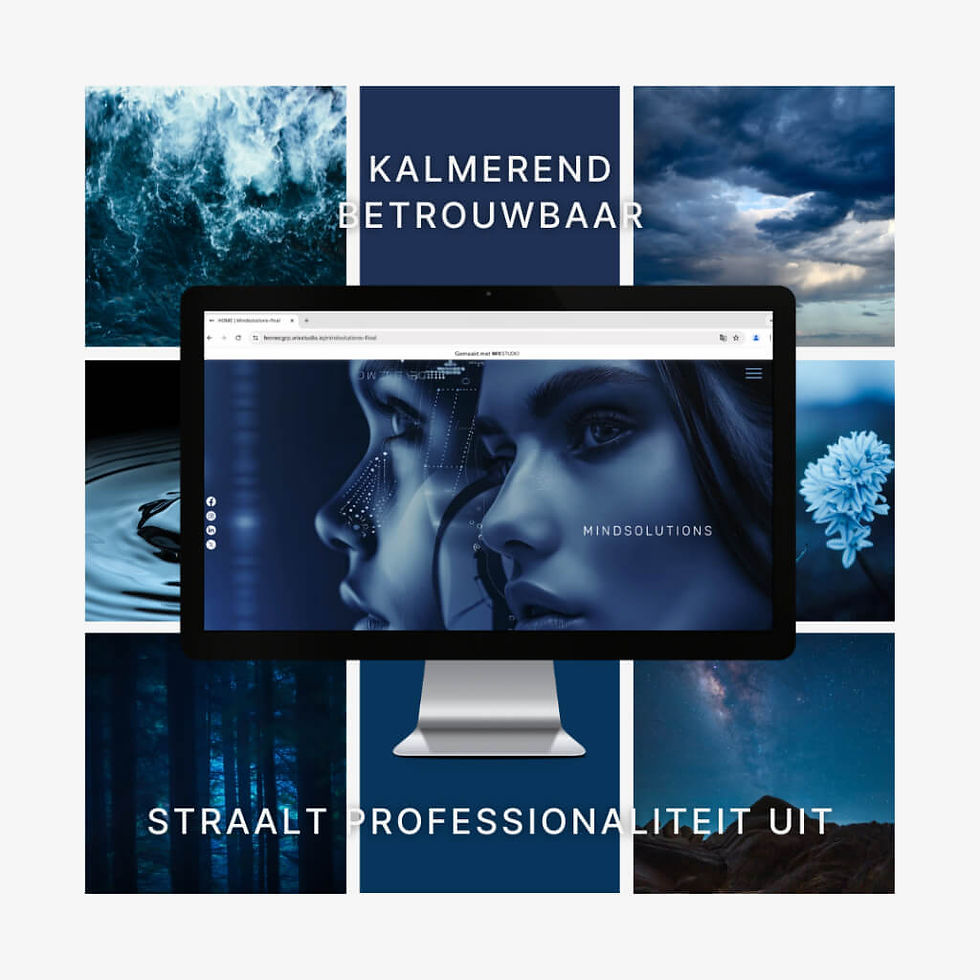
With its calming and reassuring qualities, blue is synonymous with trust, reliability, and professionalism. Blue is often associated with stability and safety, making it a popular choice for business websites and healthcare providers who wish to instill trust in their audience. However, an excessive use of blue can evoke feelings of coldness and detachment, highlighting the importance of incorporating warmer tones to create balance.
Purple
Purple symbolizes creativity, mystery, and opulence, radiating an atmosphere of luxury and sophistication. Purple is often associated with royalty and spirituality, giving websites an elegant and refined appearance, particularly those in the beauty and fashion industries. In addition, its calm and introspective qualities make it a suitable choice for websites focused on mindfulness and self-reflection.

The dark side of color
Although color can have a profound impact on our emotions and behavior, it is essential to recognize that every color has its dark side. Too much of a particular shade can trigger negative associations and emotions, leading to a less-than-optimal user experience. When selecting colors for your website, it is important to consider cultural values, psychological effects, and user preferences to ensure that your design resonates with your audience.
Conclusion
In short, color plays a crucial role in web design and influences everything from user engagement to brand perception. By understanding the psychology behind color choices and applying their power effectively, you can create a visually compelling and emotionally engaging website that captivates users and delivers results.
So, whether you are designing a website for a bold and adventurous brand or a serene and calming sanctuary, remember to choose your colors wisely – they may very well be the key to unlocking your website’s full potential.




Comments